
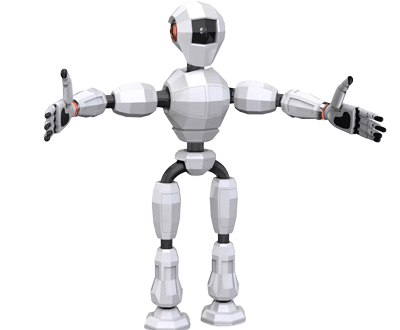
Will the robotic arm replace human?
Beyond Replacement: Why Robotic Arms are Partners, Not Substitutes, for Human Workers
The image is compelling: a gleaming robotic arm, moving with superhuman speed and precision, seamlessly performing tasks once done by human hands. It fuels a persistent question echoing through factories, warehouses, labs, and even our imaginations: “Will the robotic arm replace human workers?” The answer, while nuanced, leans decisively towards no – at least not in the comprehensive sense of rendering human labor obsolete. Instead, the true narrative unfolding is one of collaboration, augmentation, and transformation.
Understanding the Robotic Arm’s Arsenal: Where Machines Excel
Robotic arms, driven by sophisticated software and advanced sensors, possess undeniable strengths:
- Unwavering Precision & Repeatability: They perform the same task millions of times with micron-level accuracy. Think delicate circuit board assembly, precise welding seams in automotive manufacturing, or consistently applying minute amounts of adhesive. Human hands, prone to fatigue and natural variation, simply cannot match this relentless consistency.
- Superhuman Speed & Endurance: Robots don’t need coffee breaks, sleep, or vacations. They operate 24/7 at speeds far exceeding human capability, dramatically boosting production throughput in high-volume manufacturing (e.g., bottling plants, CNC machine tending).
- Operating in Hazardous Environments: They are the ideal pioneers for dangerous tasks. Robotic arms handle toxic chemicals, work in extreme temperatures (foundries, freezers), manage radioactive materials, perform explosive ordnance disposal, and operate in environments with poor ventilation or high contamination risk – protecting human workers from harm.
- Handling Extreme Loads: Powerful industrial arms effortlessly lift, move, and position massive or bulky objects (engine blocks, pallets of goods) that would be impossible, unsafe, or ergonomically disastrous for humans to manage repeatedly.
- Data-Driven Consistency & Integration: Integrated with vision systems and IoT sensors, robotic arms can make micro-adjustments based on real-time data (e.g., correcting a weld path based on thermal imaging), ensuring consistent quality control in a way manual inspection struggles to match consistently.
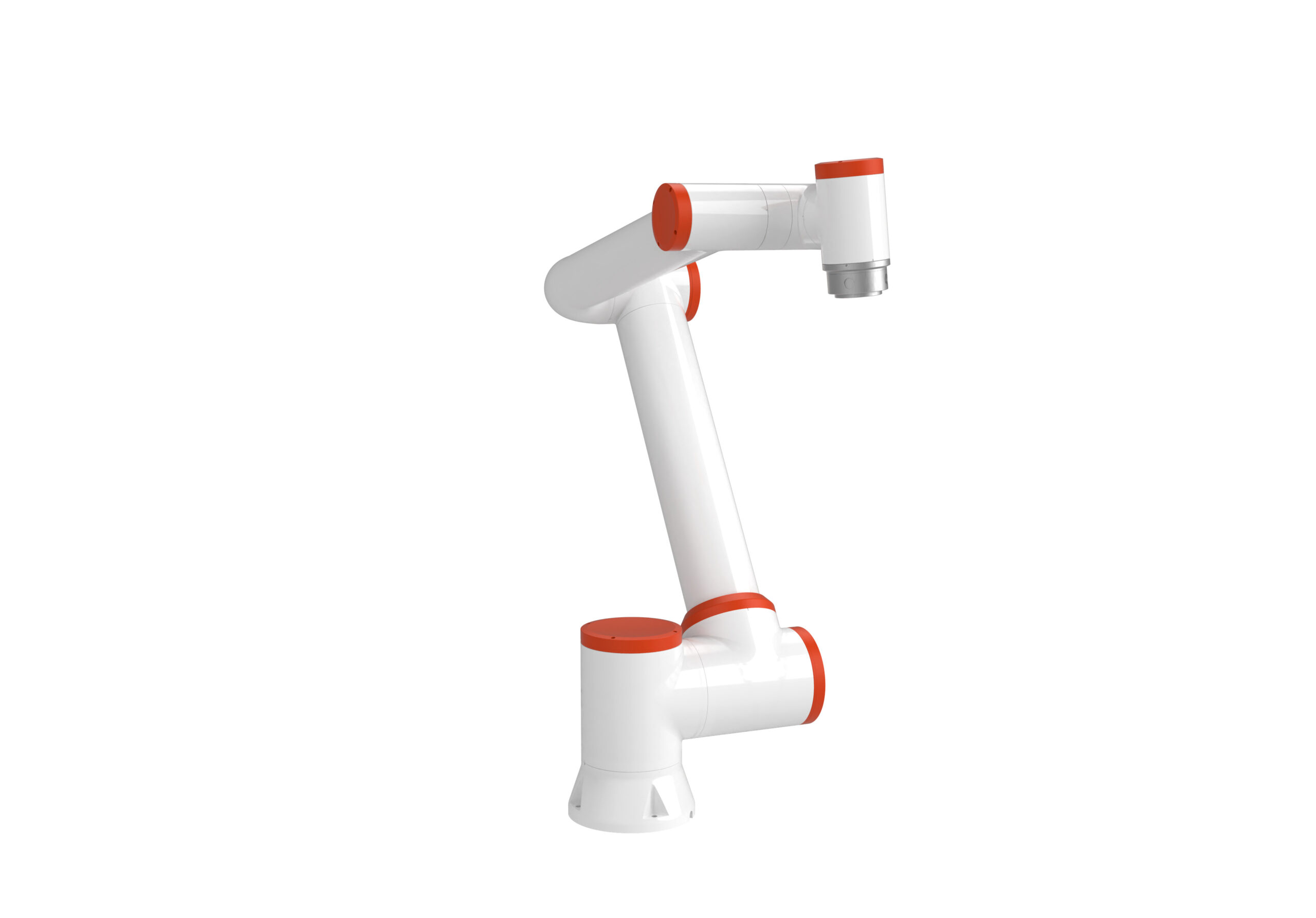
The Irreplaceable Human Element: Where Humans Reign Supreme
Despite their impressive capabilities, robotic arms lack the fundamental qualities that define human intelligence and adaptability:
- Cognitive Flexibility & Problem Solving: Humans excel at dealing with the unexpected. A slight variation in a part, a sudden obstacle on a conveyor belt, or an ambiguous instruction requires on-the-fly reasoning, improvisation, and contextual understanding that current AI struggles with. Can a robot figure out why a strangely shaped pastry won’t fit in a box and creatively repackage it?
- Fine Motor Dexterity & Sensory Nuance: While robots are precise, they often lack the delicate touch and sophisticated sensory feedback of human hands. Tasks requiring intricate manipulation (e.g., threading a needle, assembling fragile jewelry, performing complex surgery, feeling for texture or ripeness in produce) remain largely human domains. The “unboxing test” – opening an irregularly packed, taped box – is notoriously difficult for robots.
- Creativity, Innovation & Design: Robotic arms execute pre-programmed tasks brilliantly. They do not invent new products, design elegant solutions, compose music, write compelling stories, or envision novel artistic expressions. Human creativity drives the very innovation that designs and programs the robots.
- Emotional Intelligence & Complex Interaction: Understanding subtle social cues, providing empathetic care (especially in healthcare or elderly support), negotiating, teaching, inspiring teams, and building trust are deeply human traits. Robots can simulate interaction (e.g., service bots), but genuine empathy and complex social understanding are beyond their reach.
- Judgment & Ethical Decision-Making: Robots operate within defined parameters. Making complex ethical judgments in ambiguous situations (e.g., triage in an emergency, nuanced quality control calls involving subjective aesthetics, strategic business decisions weighing multiple stakeholders) requires human values, experience, and conscience.
- Adaptability to Unstructured Environments: While rapidly improving, robots still struggle significantly outside highly controlled settings. Navigating a cluttered home, performing repairs in a chaotic construction site, or handling diverse items in a typical warehouse bin requires perception and adaptability that humans possess naturally.
The Synergy of Collaboration: The “Cobot” Revolution
The most powerful answer to the replacement question lies not in competition, but in collaboration. The rise of cobots (collaborative robots) exemplifies this:
- Shared Workspaces: Cobots are designed with advanced safety features (force sensing, rounded edges, speed limitations) allowing them to work safely alongside humans without cumbersome cages.
- Augmentation, Not Replacement: Cobots take over the tedious, repetitive, physically demanding, or dangerous aspects of a task (e.g., lifting heavy parts, performing monotonous screwdriving, holding a workpiece steady for welding), freeing the human worker to focus on higher-value activities requiring judgment, dexterity, oversight, and problem-solving.
- Enhanced Productivity & Quality: This partnership often leads to significant gains in overall productivity, reduced human error on complex cognitive tasks, improved worker ergonomics (reducing injuries), and higher product quality.
- Accessibility for SMEs: Smaller, more flexible, and easier-to-program cobots are making automation feasible for small and medium-sized enterprises (SMEs) that couldn’t afford traditional industrial robots.
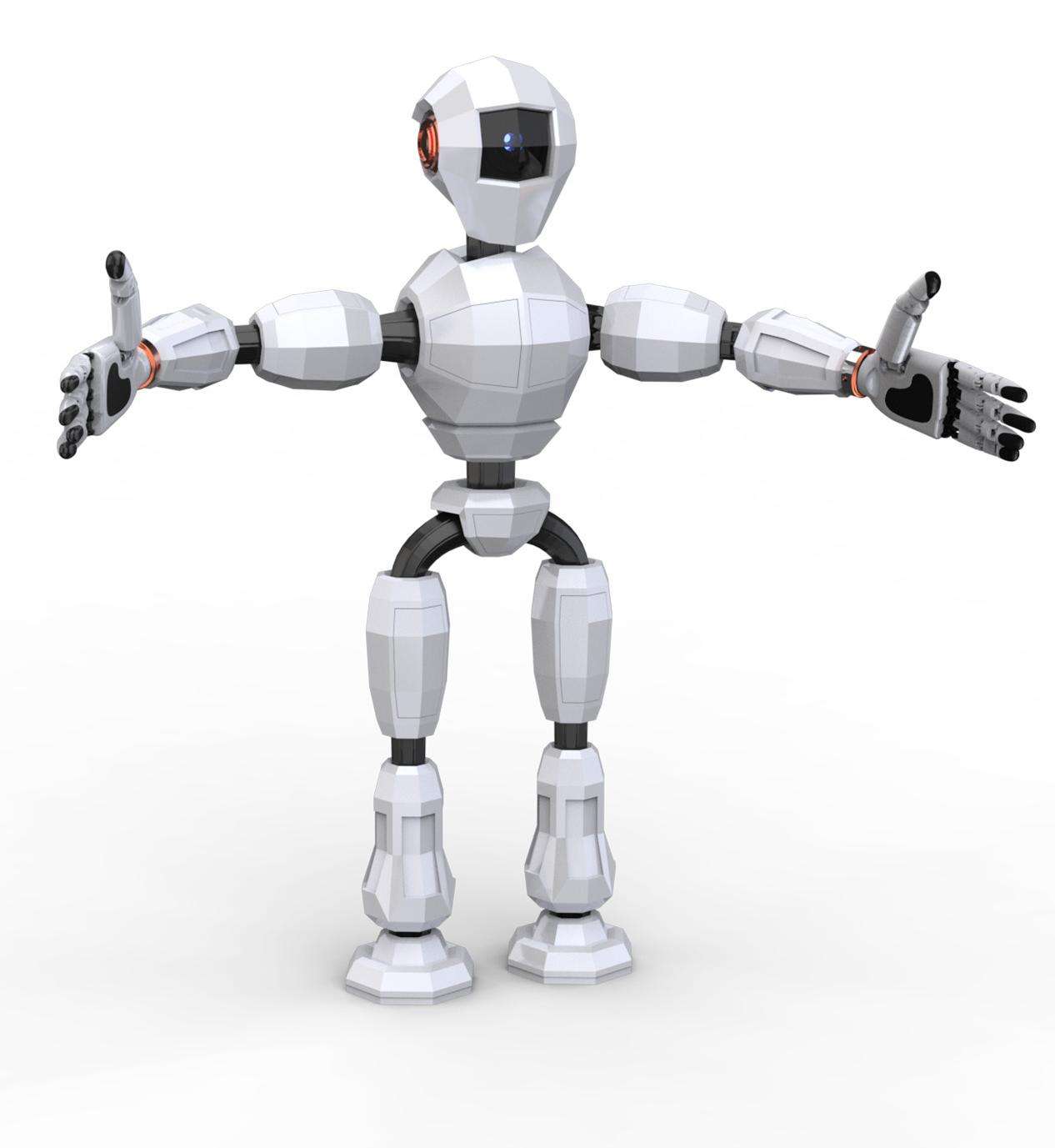
Examples of Powerful Synergy:
- Assembly: A cobot positions a heavy car door perfectly, while a human worker performs the intricate wiring and connector installation inside.
- Packaging & Palletizing: Robots handle the high-speed, heavy lifting of placing boxes onto pallets, while humans manage irregular items, final inspection, and labeling exceptions.
- Healthcare: A surgical robot provides tremor-free precision under the direct control of a surgeon, who makes all critical decisions based on experience and real-time observation. Cobots can also assist physiotherapists or handle logistics.
- Electronics: Robots perform precise soldering and component placement on circuit boards, while humans handle fine inspection, complex testing, and troubleshooting faulty units.
Economic & Societal Considerations: Beyond the Technical
The “robotic arm replace human” debate extends beyond capability into economics and social impact:
- Job Transformation vs. Elimination: While some specific, highly repetitive manual jobs are displaced by automation, history shows automation primarily transforms jobs and creates new ones (robot programmers, technicians, system integrators, data analysts, roles focused on human-centric skills). The challenge is ensuring workforce retraining and upskilling programs keep pace.
- Cost & ROI: The initial investment in robotic systems (purchase, integration, programming, maintenance) is substantial. Humans remain a more flexible and cost-effective solution for many low-volume, highly variable tasks, especially where tasks change frequently. The economic equation favors robots for high-volume, highly repeatable tasks.
- Reshoring & Competitiveness: Automation can make manufacturing in higher-wage countries more competitive by offsetting labor costs, potentially bringing jobs back (“reshoring”) but often in a transformed, more technical capacity.
- The Skills Gap: As roles evolve, the demand for workers with technical skills (to operate, maintain, and program robots) and soft skills (problem-solving, creativity, communication) increases, highlighting the need for education system adaptation.
The Future: Symbiosis and New Frontiers
The trajectory isn’t towards robotic arm replace humans wholesale, but towards deeper integration and new capabilities:
- Enhanced AI & Machine Learning: Robots will become better at learning from demonstration, adapting to minor variations, and handling more complex, less structured tasks through improved perception and decision-making algorithms.
- Advanced Sensing & Haptics: Integration of sophisticated touch, force, and proximity sensing will allow robots to handle delicate objects and interact with environments more like humans.
- Human-Robot Teaming: Seamless communication and task-sharing, where robots anticipate human needs and vice versa, will become more fluid. Think of robots as intelligent tools extending human capabilities.
- New Applications: Robotics will expand into agriculture (precision harvesting, weeding), disaster response, deep-sea exploration, personalized home manufacturing, and advanced prosthetics, creating entirely new fields of work and collaboration.
- Focus on Human-Centric Roles: As automation handles more routine physical and data-processing tasks, human roles will increasingly emphasize creativity, strategic thinking, emotional intelligence, complex relationship management, and ethical oversight – skills robots cannot replicate.
Conclusion: Partners in Progress
So, can the robotic arm replace human? The question itself frames the relationship incorrectly. Robotic arms are not our successors; they are powerful tools, tireless assistants, and essential partners. They excel in the realms of precision, endurance, and operating in hostile environments, liberating humans from the “dull, dirty, and dangerous.”
The true potential lies in leveraging the unique strengths of both. Humans provide the ingenuity, adaptability, empathy, and complex judgment. Robotic arms provide the muscle, unwavering precision, and tireless execution. Together, they form a team far more capable than either could be alone, driving productivity, innovation, and safety to unprecedented levels.
The future of work isn’t about human vs. machine, but about human with machine. The most successful enterprises won’t be those that simply replace workers with robots, but those that master the art of integrating them to augment human potential and create new value. The robotic arm is here to stay, not as a replacement, but as a transformative partner in shaping a more efficient, safer, and ultimately more human-centered future of work. The challenge and opportunity lie in designing this partnership wisely and equitably.