
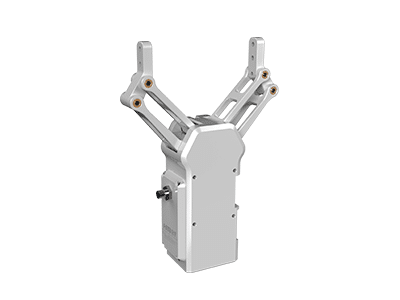
Green Robotics: How Electric Grippers are Reducing Waste in Surprising Ways
When you think of “green technology,” what comes to mind? Solar panels, electric cars, or perhaps wind turbines? While these are powerful symbols of sustainability, a quiet revolution is happening on the factory floor. The push for a greener planet is driving innovation in unexpected places, including the fundamental components of automation: robotic grippers.
For decades, the industrial world relied heavily on pneumatic (air-powered) grippers. But today, a shift is underway toward electric grippers, and it’s proving to be a game-changer for companies committed to their Environmental, Social, and Governance (ESG) goals. Beyond their precision and speed, electric grippers are emerging as a powerful tool for reducing waste and building a sustainable manufacturing operation.
Let’s explore how this unsung hero of automation is helping factories shrink their carbon footprint in surprisingly effective ways.
The Core Advantage: Slashing Energy Consumption from the Source
The most direct environmental benefit of electric grippers lies in their radical energy efficiency. To understand why, we need to look at the traditional alternative: pneumatic systems.
The Hidden Cost of Compressed Air
Pneumatic grippers don’t run on thin air—they run on compressed air. Generating compressed air is one of the most energy-intensive processes in a factory. Consider this:
- Inherent Inefficiency: A typical air compression system is notoriously inefficient. It can waste up to 90% of the electrical energy it consumes, primarily through heat loss.
- Constant Drain: Pneumatic systems often leak. A small, hissing leak in a compressed air line might seem insignificant, but it can waste thousands of dollars in electricity over a year. The Compressed Air & Gas Institute suggests that up to 30% of generated compressed air is lost to leaks.
- Always On: Many pneumatic systems run continuously, consuming energy even when the gripper isn’t actively holding a part.
The Electric Gripper’s “On-Demand” Efficiency
Electric grippers, powered by servo motors, operate on a completely different principle. They consume electricity only when performing an action—closing, opening, or holding with force.
Think of it like this:
Pneumatic System: Like leaving a garden hose running at full blast all day, even when you’re not using it, with leaks sprouting everywhere.
Electric System: Like a precise electric tap that you turn on for exactly the amount of water you need, then turn off completely.
This “on-demand” energy use translates to a dramatic reduction in a factory’s overall power load. By replacing a bank of pneumatic grippers with electric ones, a facility can significantly lower its electricity bills and, more importantly, its direct carbon emissions from energy production. This is a direct and measurable win for your carbon footprint.
Beyond Energy: Precision that Prevents Product Waste
While energy savings are crucial, the waste-reducing benefits of electric grippers go much further. Their superior control and programmability directly combat one of manufacturing’s biggest enemies: product loss.
- Handling Delicate and Irregular Items with Care
Many industries deal with fragile products. A pneumatic gripper, which often operates with a simple “open/close” force, can easily crush a biscuit, crack a solar wafer, or dent a freshly painted car panel. While pressure regulators exist, they add complexity and aren’t as responsive.
Electric grippers offer unparalleled control over:
- Speed: The closing and opening speed can be precisely programmed to be gentle and gradual.
- Force: The gripping force can be controlled down to the newton, ensuring just enough pressure to hold the item securely without causing damage.
- Position: They can be programmed to stop at exact positions, perfect for handling items of varying sizes.
The Result? Fewer broken products, less scrap, and higher overall quality. This means the raw materials, energy, and labor that went into creating that product aren’t wasted.
- Mastering the Challenges of the Circular Economy
The recycling industry is a prime example where this precision is invaluable. Recycled materials are often inconsistent, dirty, and irregularly shaped. Sorting and handling bottles, electronics, or composite materials requires a delicate touch.
Electric grippers, often combined with advanced vision systems, can:
- Identify and Adapt: Identify a specific material and instantly adjust its grip force to handle a fragile glass bottle differently than a sturdy plastic one.
- Handle Deformable Objects: Grip squishy plastic films or crumpled paper without tearing them.
- Ensure Purity: Precisely pick and place specific components from electronic waste streams, improving the purity and value of the recycled materials.
By reducing contamination and breakage in the recycling process, electric grippers make the circular economy more efficient and viable, turning what was once waste into valuable resources.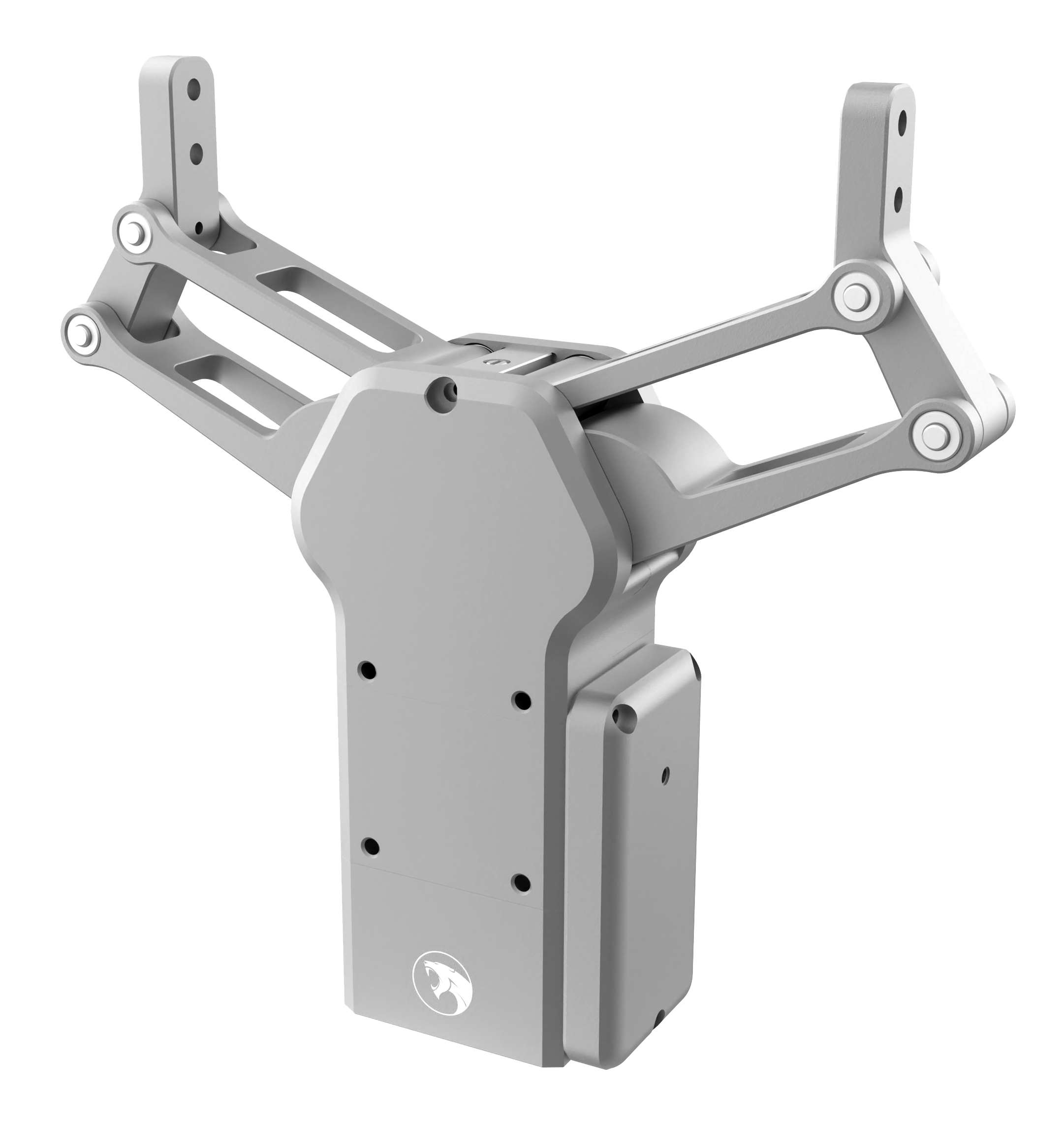
Data-Driven Sustainability: The Hidden Superpower
Green robotics with Electric grippers are smart devices. They are integrated into the Industrial Internet of Things (IIoT) ecosystem, providing a wealth of data that can be used to further optimize processes and eliminate waste.
Predictive Maintenance: Instead of following a rigid maintenance schedule (or waiting for a failure), electric grippers can monitor their own performance. They can alert operators to wear and tear before it causes a breakdown. This prevents two types of waste:
- Wasted Time & Output: Unplanned downtime halts production.
- Wasted Parts: A catastrophic failure can damage the gripper, the product, and even the robot arm, creating a chain reaction of waste.
Process Optimization: By analyzing grip force data over time, manufacturers can identify if they are consistently using more force than necessary, subtly wasting energy and increasing mechanical stress. They can then fine-tune the process for peak efficiency.
This data-centric approach moves sustainability from a vague goal to a measurable, continuously improving process.
Building a Brand That Stands for the Future
Adopting green technologies like electric grippers is no longer just a technical decision; it’s a strategic business and branding one. Consumers and B2B partners are increasingly aligning with companies that demonstrate a genuine commitment to sustainability.
By investing in electric automation, you are:
- Strengthening Your ESG Profile: You have a tangible, quantifiable story to tell about reducing energy consumption and waste.
- Future-Proofing Your Operation: As carbon taxes and environmental regulations become more stringent, efficient operations will have a significant competitive advantage.
- Appealing to Top Talent: The next generation of engineers and operators wants to work for companies that are responsible stewards of the environment.
Conclusion: A Small Change with a Massive Impact
The shift from pneumatic to electric grippers is a perfect example of how a single, smart engineering decision can create a ripple effect of positive environmental outcomes. It’s not just about making robots faster; it’s about making entire manufacturing systems smarter, cleaner, and more responsible.
From slashing energy bills and carbon emissions at the source, to minimizing product loss with unparalleled precision, and enabling a data-driven approach to waste reduction, electric grippers are a powerful, yet often overlooked, pillar of green robotics.
By embracing this technology, you’re not just upgrading your equipment—you’re investing in a more sustainable, efficient, and profitable future for your company and the planet.
Ready to explore how electric grippers(green robotics) can reduce waste in your specific application? Contact our automation experts today for a free consultation and see how you can build a greener, more efficient operation.